How to Prepare for an Orthopedic Injection
Good preparation makes an orthopedic injection safer, more comfortable and more effective. A few simple steps before the appointment help the clinician work in the best conditions and help the patient feel confident on the day. This guide explains what to do before an orthopedic injection, from the first consultation to the moment the patient arrives at the clinic.
Understanding Orthopedic Injections
Orthopedic injections deliver medication directly into a joint or the surrounding soft tissue. Corticosteroids calm inflammation, hyaluronic acid viscosupplements such as SYNVISC®, MONOVISC®, DUROLANE® and ORTHOVISC® restore lubrication, combination products such as CINGAL® do both, and PRP uses the patient’s own platelets. Preparation varies slightly depending on the type of injection.
Why Preparation Is Important
Preparation reduces the risk of complications such as infection or bleeding, helps the clinician place the product accurately and limits discomfort. It also avoids last-minute cancellations, for example when a medication should have been paused or when a skin infection is present near the injection site.
The Pre-Appointment Consultation
Before the injection, the clinician reviews the patient’s medical history, examines the joint and may request imaging such as an X-ray or ultrasound. This is the moment to share:
- All medications and supplements, especially anticoagulants, antiplatelet drugs and anti-inflammatories.
- Allergies, including allergies to local anaesthetics, corticosteroids, latex or avian proteins (egg, feathers), which are relevant for some viscosupplements.
- Conditions such as diabetes, a bleeding disorder or a recent infection.
- Previous injections and how the joint responded.
The clinician also confirms that the patient meets the eligibility criteria for an orthopedic injection and explains the expected results.
Preparation Instructions Step by Step

- Medications: follow the clinician’s instructions. Never stop an anticoagulant without medical advice; the clinician will decide whether a pause is needed.
- Anti-inflammatories: some clinicians ask patients to stop them for a few days before PRP, as they may interfere with platelet function.
- Eating and drinking: a light meal and normal hydration are usually recommended. Fasting is rarely required unless sedation is planned.
- Diabetes: patients with diabetes should monitor their blood sugar, especially before a corticosteroid injection, which can raise it temporarily.
- Skin: wash the area the day before or the morning of the appointment. Do not apply creams, lotions or oils to the area, and do not shave it.
- Clothing: wear loose, comfortable clothing that gives easy access to the joint, such as shorts or a loose top.
- Transport: plan a ride home, particularly after a hip or knee injection.
The Day of the Procedure: What to Expect
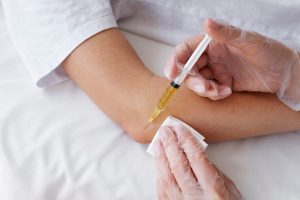
On arrival, the clinician confirms the patient’s information, the joint to be treated and the product. The skin is disinfected, a local anaesthetic may be used, and the injection is often performed under ultrasound guidance for accuracy. The procedure itself usually takes a few minutes. The patient may be asked to remain at the clinic for a short observation period before going home.
Bring your provincial health card, a list of current medications and, if applicable, your private insurance information.
What Not to Do Before the Injection
- Do not stop a prescribed medication without medical advice.
- Avoid intense exercise on the day of the injection.
- Avoid alcohol the day before, as it can increase bruising.
- Do not attend the appointment with a fever, a skin infection near the joint or an active infection; call the clinic to reschedule.
Tips for a Stress-Free Experience

Arrive a few minutes early, ask questions before the procedure and breathe slowly during the injection. Many patients find that the procedure is quicker and less uncomfortable than expected. Asking about injection techniques, such as ultrasound guidance, can also be reassuring.
Post-Procedure Overview
After the injection, the joint needs 24 to 48 hours of relative rest. Ice helps with soreness, and baths, hot tubs and pools should be avoided for at least 48 hours. Our guide to post-injection care covers every step. Clinics can find all viscosupplements and combination products in our orthopedic injections category.
References
Wittich, C. M., et al. (2009). Musculoskeletal injection. PMC. https://pmc.ncbi.nlm.nih.gov/articles/PMC2735433/
World Health Organization. (2010). Best practices for injection. NCBI. https://www.ncbi.nlm.nih.gov/books/NBK138495/
Vancouver Spine Doctor. (2025, February 12). Patient preparation for injection procedures: At home. https://vancouverspinedoctor.com/procedures/spinal-injections/patient-preparation-for-injection-procedures-at-home/
Baima, J. (2007). Clean versus sterile technique for common joint injections. PMC. https://pmc.ncbi.nlm.nih.gov/articles/PMC2684216/
Advanced Ortho. (n.d.). How to prepare for a knee injection: Practical tips from specialists. https://www.advancedortho.com.sg/how-to-prepare-for-a-knee-injection-practical-tips-from-specialists/